Dutch Global Sustainability Connections
Commodities, responsibility, and sustainability across borders
Dutch sustainability challenges do not stop at national borders. From food, feed, and energy to raw materials, the Netherlands is deeply embedded in global commodity chains that connect Dutch consumption and policy choices to environmental impacts, labour relations, and sustainability outcomes elsewhere in the world.
This focus area examines Dutch global sustainability connections primarily from a social science and innovation studies perspective, combining historical analysis, transition studies, and critical approaches to governance and knowledge. While fieldwork in at partner institution is possible, this focal area is particularly well suited for students interested in policy analysis, global justice, sustainability governance, and historical responsibility, and for those who wish to conduct desk-based thesis research using archives, policy documents, academic literature, and interviews available in the Netherlands.
There are collaboration opportunities for desk research and field work with partners such as the Federal University of Fronteira Sul UFFS (UFFS) in Brazil and the SEMS Lab at Universitas Indonesia.


Case studies
-
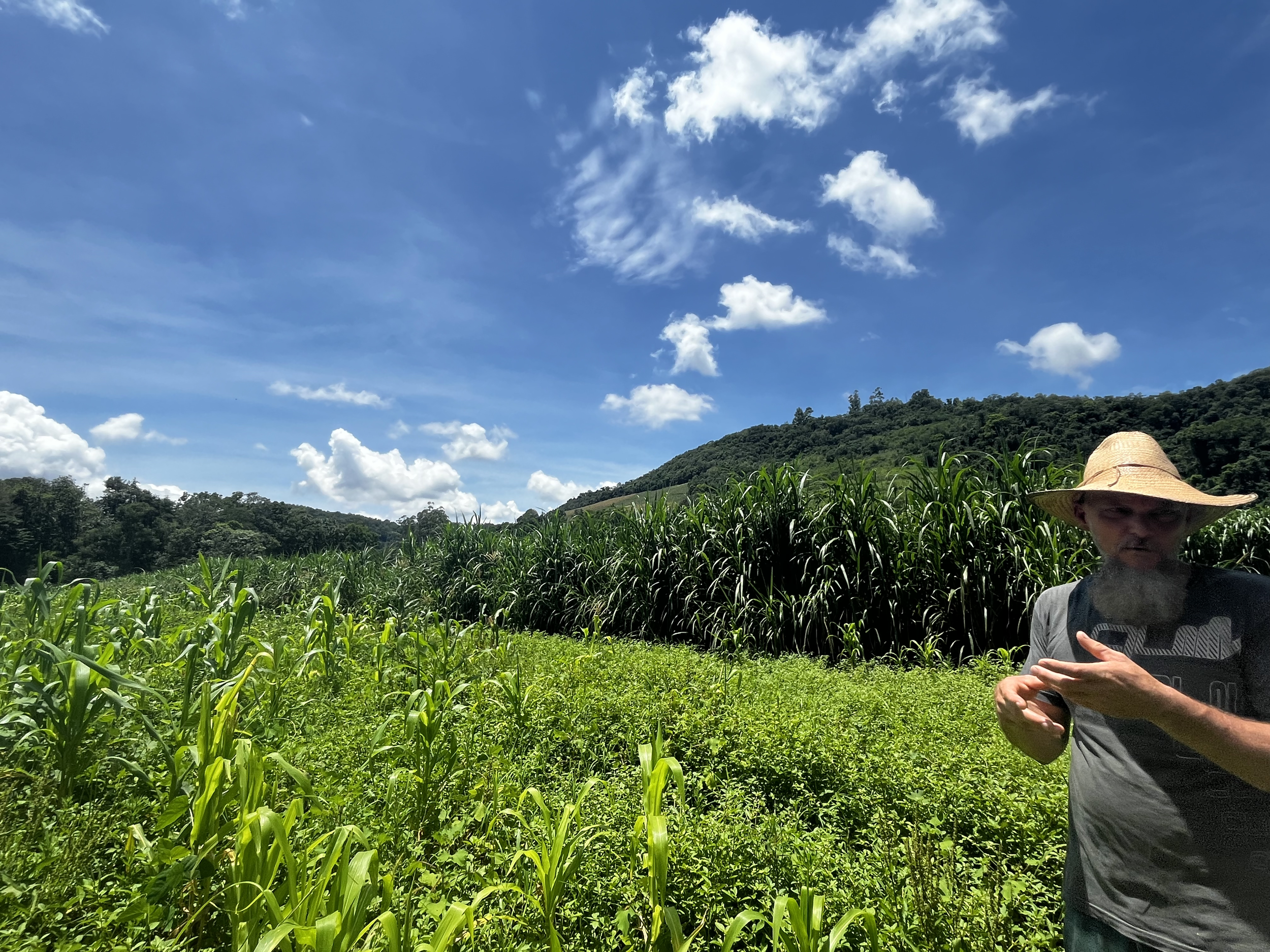
The SOY STORIES project examines how soy production in Brazil and soy-based intensive livestock farming in the Netherlands have generated distinct yet deeply interconnected sustainability challenges, ranging from deforestation and land grabbing to nitrogen pollution and animal welfare. The project works with a strong network of local academic and societal partners in Brazil, who can host TU/e students for fieldwork, while also offering opportunities to engage with connected histories through research conducted from the Netherlands.
-
Another key case within this focus area is Indonesian palm oil, a globally contested commodity deeply entangled with Dutch and European trade, sustainability policies, and historical legacies. Recent TU Eindhoven research analyses how competing sustainability discourses—ranging from economic development and national sovereignty to global responsibility and environmental justice—shape palm oil governance across time, space, and governance levels.
-
Beyond soy and palm oil TGD research analyses global commodity chains such as peanuts, coffee or flowers to understand how Dutch and European regulations, standards, and consumption patterns shape sustainability outcomes elsewhere. Master’s research highlights how knowledge politics and power asymmetries influence sustainability governance, often marginalising producer-country perspectives and obscuring historical responsibilities.
Opportunities for Students
This thematic area offers rich opportunities for Bachelor end projects, Master’s thesis projects, and internships. Importantly, it is not necessary to travel abroad: many projects can be carried out using Dutch archives, policy documents, trade data, interviews with Dutch stakeholders, and existing academic literature.
At the same time, for students interested in international experience, fieldwork in Brazil and Indonesia is possible through the our partner network. Possible research topics include:
Global commodity chains and Dutch sustainability challenges
Connected sustainability histories and future imaginaries
Trade transitions and the role of Dutch receiving systems
Knowledge politics, power, and sustainability governance
Certification schemes, standards, and global inequalities
Responsibility and justice in global sustainability transitions
Ongoing and completed projects at TU Eindhoven