

Clean Cooking and Energy Transitions
Rwanda, Uganda, Kenya, Tanzania and beyond
Clean cooking is a central, yet often overlooked, dimension of energy transitions in the Global South. Millions of households, schools, and institutions in countries such as Uganda and Rwanda still rely on firewood and charcoal, contributing to deforestation, indoor air pollution with significant health impacts, and gendered labour burdens.
This focus area offers opportunities to study clean cooking and energy transitions from a technical, socio-technical, and institutional perspective. Projects are suitable for students with backgrounds in engineering, sustainability, and innovation sciences, and can focus on cooking technologies, fuels, system design, performance optimisation, and life-cycle impacts, as well as on how policies, business models, and everyday practices shape adoption and scaling. Many projects aim to generate concrete outputs—such as improved stove or burner designs, performance measurements, LCA models, or decision-support tools—while engaging with real-world constraints.
While desk-based research from Eindhoven is possible, this focus area is particularly suited for field-based and practice-oriented research in collaboration with long-standing partners, including BioMassters (Rwanda), CREEC – Centre for Research in Energy and Energy Conservation (Uganda), and ENERGIA (active in Nepal and several other countries).


Case Studies
-
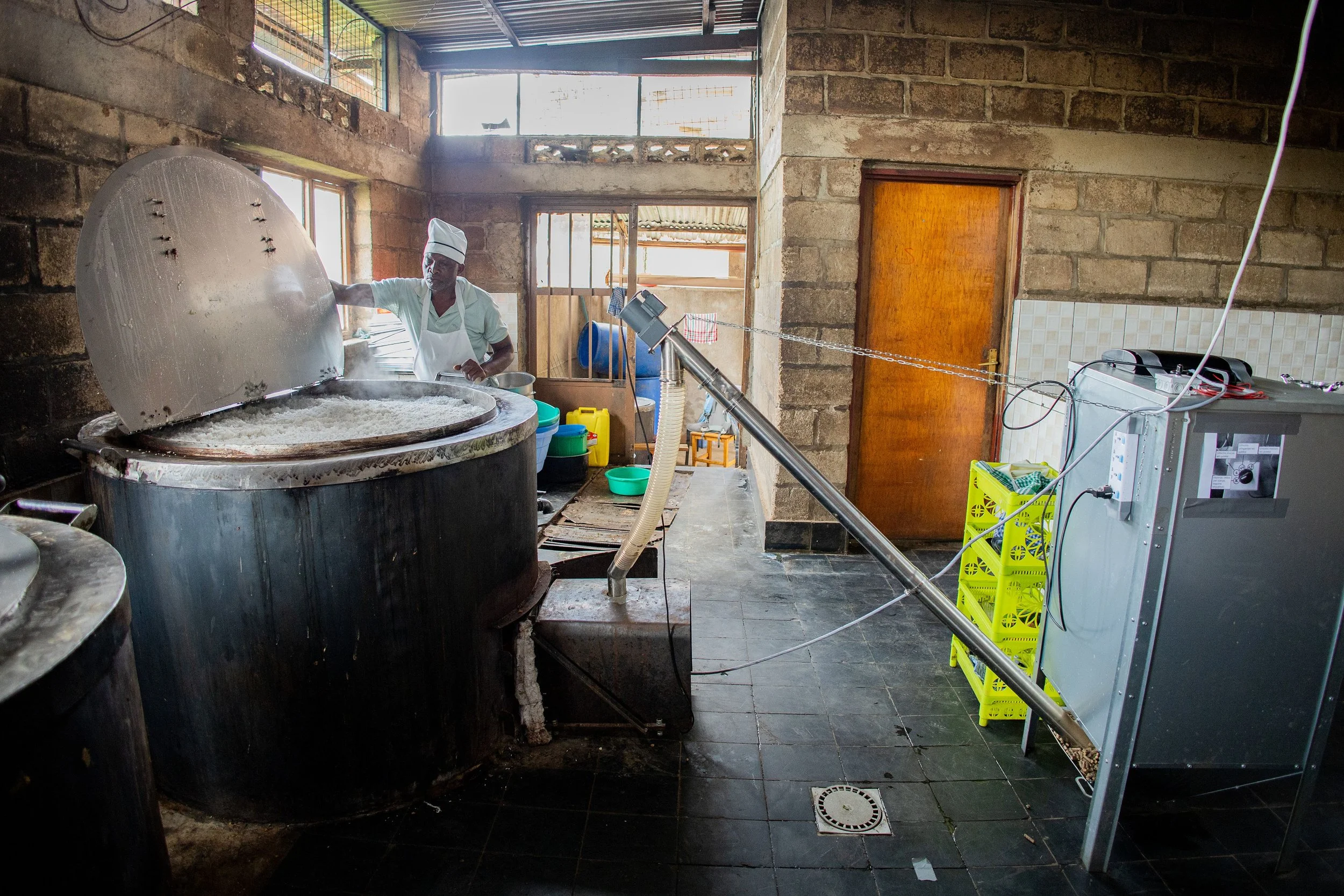
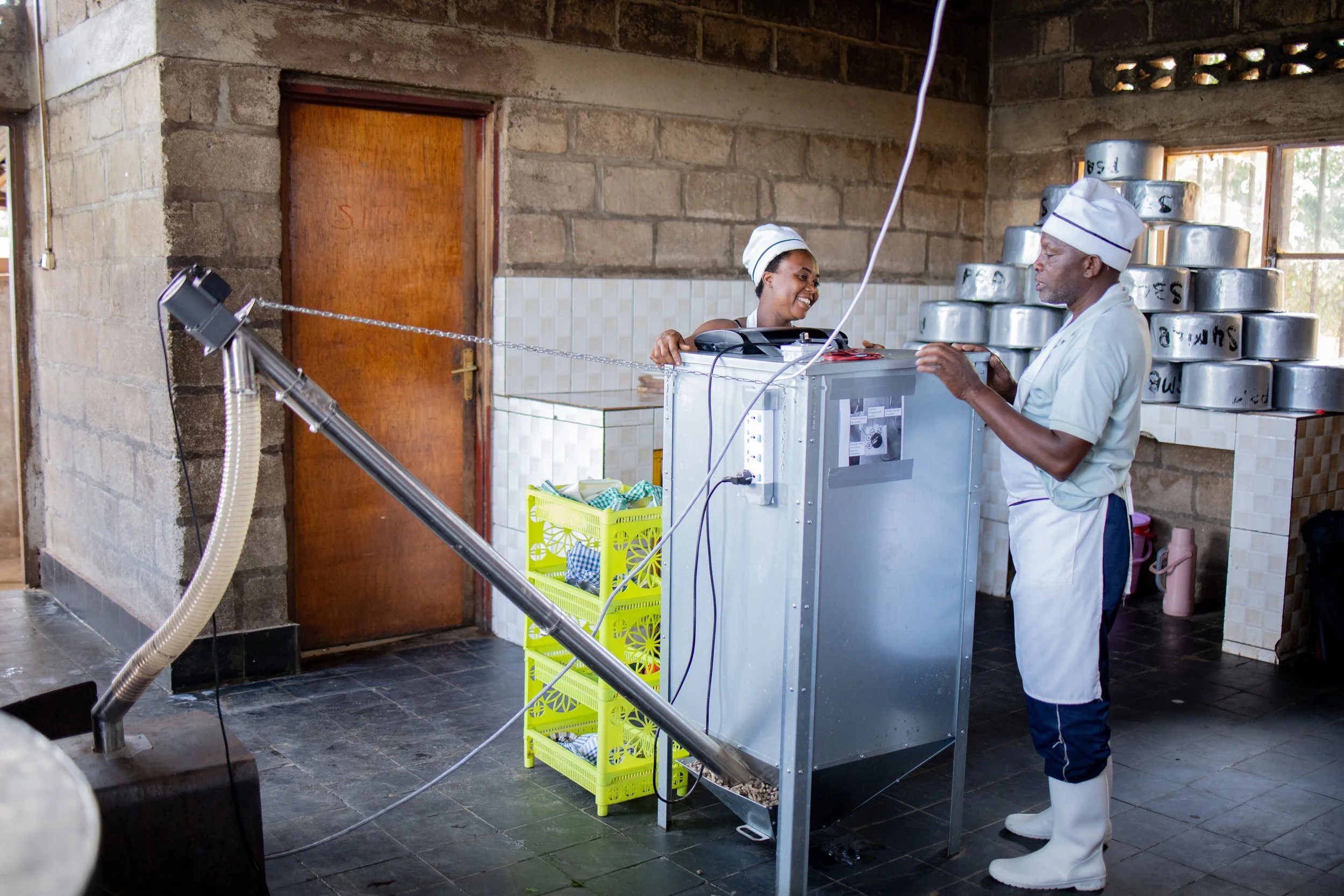
Rwanda has prioritised clean cooking in institutional settings such as school kitchens, where pellet-based cooking systems are being introduced to reduce firewood use, emissions, and indoor air pollution. TU Eindhoven research evaluates technical performance, system efficiency, emissions, and institutional feasibility, while also addressing challenges related to fuel supply chains, maintenance, and long-term adoption at scale.
-
DescriptioIn Uganda, clean cooking initiatives focus on the co-development and local production of improved cookstoves that significantly reduce firewood use and indoor air pollution while remaining compatible with everyday cooking practices. Internship-based research from TU Eindhoven shows how user-centred design, community engagement, and locally embedded value chains are key to socially accepted and scalable transitions.
-
Across Central and East Africa and South Asia, TU Eindhoven research examines clean cooking transitions in diverse contexts, including electric cooking in Nepal and household cookstove adoption in Southeast Asia. These studies highlight how cooking transitions are shaped by everyday practices, gender relations, governance, and market structures, rather than technology alone.
Opportunities for Students
This thematic area offers rich opportunities for Bachelor end projects, Master’s thesis projects and internships, often in collaboration with local partners in Central and East Africa. We are also open to thematically relevant projects in other regions.
Possible research topics include:
Technical performance and long-term assessment of institutional clean cooking systems
Design optimisation of pellet burners and cookstoves for large-scale implementation
Life-cycle assessment (LCA) of pellets, firewood, electricity, and alternative cooking fuels
Integration of clean cooking technologies into existing energy and institutional systems
Governance and decision-making structures shaping clean cooking adoption in schools
Financing models, supply chains, and stakeholder roles in scaling clean cooking transitions
Ongoing and completed projects at TU Eindhoven
Master’s thesis (2025) Thomas Roelofs – Pellet-Based School Cooking: A Scalable Solution for Rwanda’s Energy Transition
Internship & Graduation Project (2024–2025) Thomas Roelofs – Clean Cooking Pilots in Rwandan Schools
Internship (2024) Job Harweg – Clean Cookstoves in Uganda
Internship (2024) Vicente Zamorano – Clean Cookstoves in Uganda
Contact persons
Call for theses
Follow-up research building on the research by Thomas Roelofs in Rwanda: The focus of his thesis was to build a pellet-based institutional cooking system in five Rwandan school by retrofitting existing stove with pellet burners. The study combined technical field measurements with a comparative qualitative analysis to evaluate performance, feasibility and potential for sustained adoption. The results showed that the retrofitted stoves more than doubled their efficiency, greatly reduced emissions and improved kitchen conditions while staying cost competitive with firewood. However, there is still plenty of room to build on these findings. From a technical perspective, future studies could focus on long term performance assessments, improving burner design for larger implementation and conducting LCA’s on pellets and firewood. Qualitative research could examine how governance structures within the Rwandan school system affect technology use, what factors influence adoption and how cooking transitions differ between rural and urban schools. From a policy perspective, projects could focus on financing models for a national scale up, supply chain organizations or the roles and interests of different stakeholders.